Where to Find Stunning French Coastline Photos Online for Free
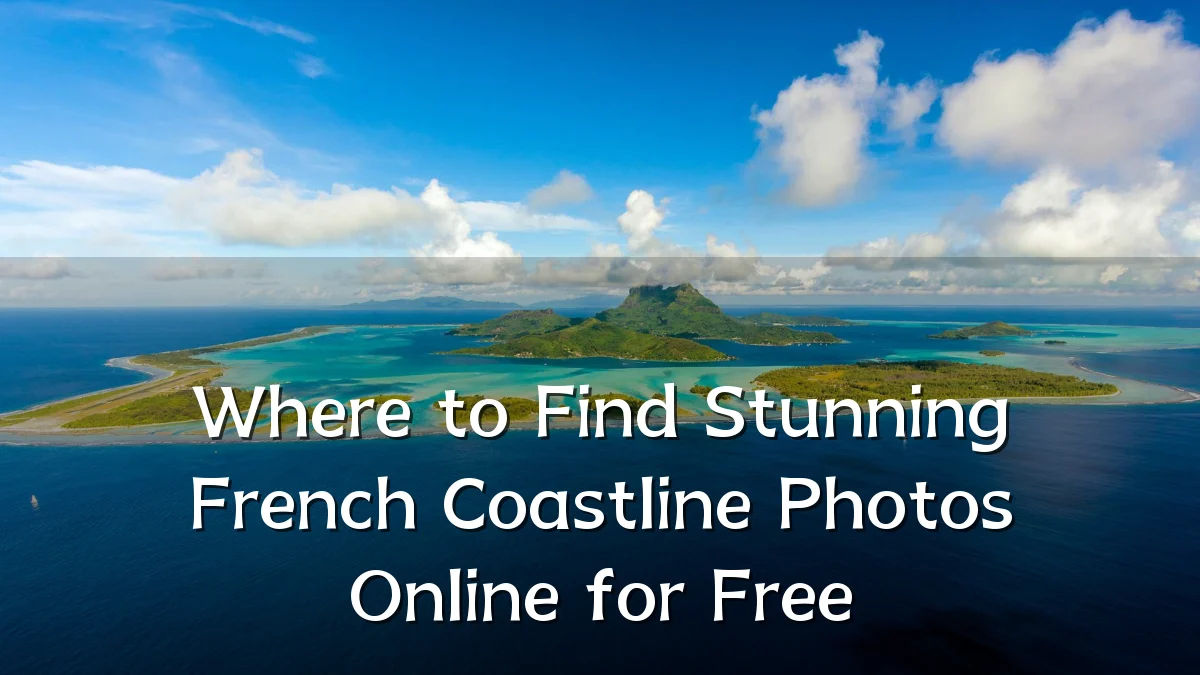
France’s Atlantic, Channel, and Mediterranean shores remain one of the most photographed coastlines in Europe, and demand for free, high-quality imagery continues to grow among travel editors, bloggers, and small tourism operators. While paid stock libraries still dominate professional workflows, a shifting set of freely licensed sources now makes it possible to source professional-grade coastal photos without a budget. This analysis looks at how that landscape is changing, what users should watch for, and where the search for free French coastline imagery is heading.
Recent Trends
Over the past several years, the most visible shift is toward specialized free stock platforms with strong European coverage. Rather than scrolling through generic ocean shots, users increasingly search by region—Normandy, Brittany, Corsica, the Côte d’Azur, and the Atlantic coast—and expect accurate geotagging and recognizable landmarks.

- Curated collections built around specific coasts are becoming more common than broad, worldwide photo libraries.
- More contributors are publishing under Creative Commons Zero (CC0) or similar permissive licenses, which removes attribution and usage headaches.
- Search behavior is moving from “beach” and “cliff” toward named places, such as Étretat, Calanques, or the pink granite coast.
- Editorial-style photos—empty beaches in offseason, working harbors, coastal paths—are gaining popularity over postcard-perfect summer scenes.
Background
For years, free French coastline imagery was limited to a handful of generalist stock sites, often with inconsistent resolution and unclear licensing. Government and regional tourism agencies have long published photos under varying terms, but discovery was fragmented. The situation improved as major free stock platforms expanded their contributor bases in Europe, and as regional initiatives—some run by tourism boards, some by photographers—released images under open licenses.
Important background points for anyone searching:
- License terms differ meaningfully: some allow commercial use, some require attribution, and some prohibit modification or redistribution.
- Resolution and file quality vary widely even within one platform, so checking metadata and original dimensions matters.
- Photos labeled “France” may be generic Mediterranean shots from other countries; verifying the coastline is necessary for location-specific projects.
User Concerns
The main concerns among regular users of free coastal imagery center on reliability and legal safety. A photo that is free to download is not automatically free to use in marketing, print, or on a commercial website.
- Licensing clarity: users want to know at a glance whether a photo can be used commercially, whether credit is required, and whether the license covers derivative works.
- Model and property releases: people or identifiable private structures in coastal shots may raise privacy or property rights issues.
- Authenticity: local users often spot mislabeled coastlines, which damages trust in a publication or destination guide.
- Consistency: building a cohesive collection around one coastline is hard when images come from many sources with different color grading and styles.
Likely Impact
As free image libraries continue to expand their French coverage, small publishers and regional tourism promoters are likely to rely less on generic international stock sites and more on geographically specific collections. This could improve the accuracy of online destination content and give independent photographers a wider audience. At the same time, the risk of license misuse may grow as more images are shared without clear terms embedded in the file. The broader impact will depend on how consistently platforms enforce tagging standards and how well users read the fine print.
What to Watch Next
Look for deeper integration between regional tourism data and free photo repositories, which would make it easier to match images with official destination guides. Also watch for more French institutions adopting open license policies, as some national and municipal archives already have. Finally, if AI-generated coastal imagery improves, expect a larger share of search results to be synthetic—which will increase the value of verified, location-specific photos of the real French coast.